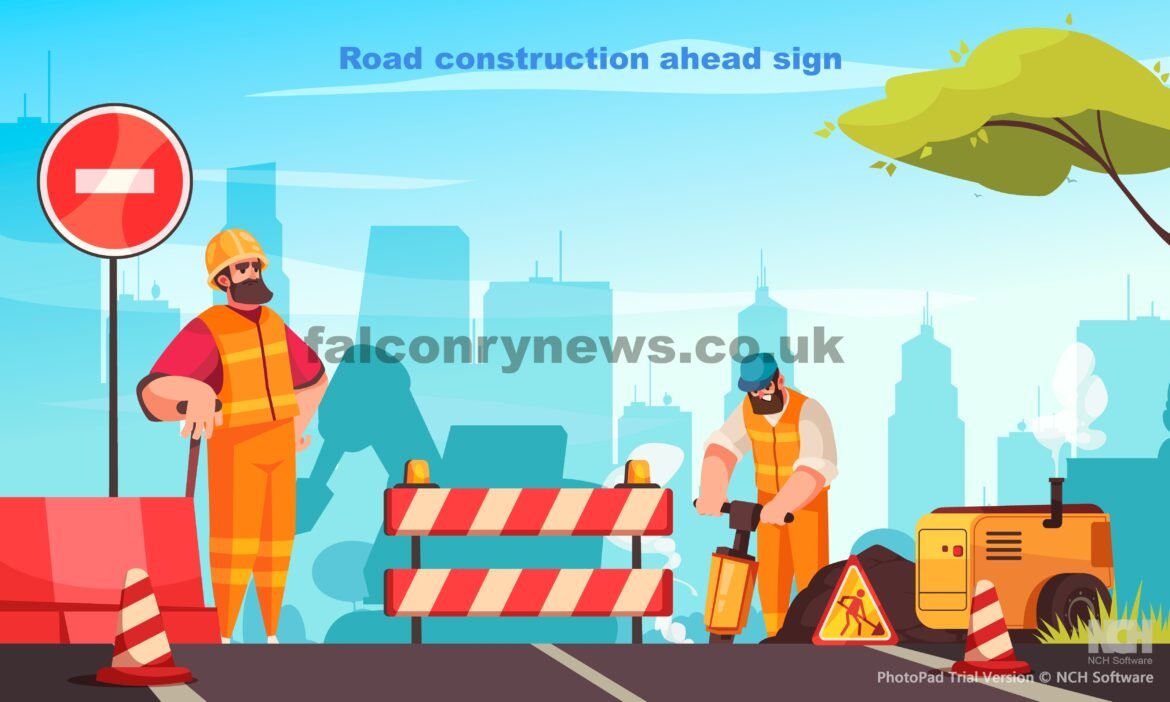
Introduction: Why Road Work Signs Matter
Seeing a bright orange “Road Construction Ahead” sign on the highway instantly signals caution. These work-zone warnings are essential for driver safety, traffic flow management, and worker protection. With thousands of road improvement projects underway yearly, understanding these signs helps prevent accidents and keeps everyone on the road safer.
What Is a “Road Construction Ahead” Sign?
A Road Construction Ahead sign is a traffic control device used to alert drivers about upcoming roadwork, lane closures, detours, or maintenance activities. These signs follow the Manual on Uniform Traffic Control Devices (MUTCD) standards, ensuring uniformity across highways, urban roads, and rural routes.
Why the Road Construction Ahead Sign Is Important
Roadwork signs play a major role in reducing traffic-related injuries. According to U.S. Federal Highway Administration data, over 700 fatalities occur annually in work zones, with speeding and distracted driving among the top causes. Clear signage helps:
1. Prepare Drivers for Upcoming Hazards
- lane shifts
- narrowed roads
- uneven pavement
- heavy machinery
2. Protect Road Workers
Signs create a safety buffer for construction crews operating in dangerous environments.
3. Improve Traffic Flow
Early warnings reduce congestion and sudden braking, lowering the risk of rear-end collisions.
Design & Features of the Road Construction Ahead Sign
1. Shape & Color
- Diamond-shaped
- Fluorescent orange background
- Black lettering or symbols
These colors enhance visibility in both daylight and nighttime conditions.
2. Materials Used
Signs are typically made from:
- High-grade aluminum
- Reflective sheeting (HIP or Diamond-Grade)
- ABS or polycarbonate for temporary setups
3. Placement Requirements
Following MUTCD guidelines, signs must be placed:
- Far enough in advance for drivers to react
- On straight, visible stretches of the road
- On the right-hand shoulder (or overhead in highways)
Types of Construction Warning Signs
1. Road Work Ahead
General alert of upcoming construction activity.
2. Detour Signs
Used when drivers must follow an alternate route.
3. Flagger Ahead
Indicates personnel manually directing traffic.
4. Lane Closed Ahead
Warns drivers to merge early to avoid bottlenecks.
5. End Road Work
Marks the end of a construction or maintenance area.
How Drivers Should Respond to a Road Construction Ahead Sign
1. Slow Down
Speed reductions are often legally enforced in work zones.
2. Avoid Sudden Lane Changes
Signal early to merge safely.
3. Stay Alert
Watch for:
- workers
- cones
- barriers
- flaggers
- changes in pavement
4. Follow Detour Routes
They are designed to reduce congestion and ensure safety.
5. Maintain Safe Following Distance
Rear-end crashes are the most common work-zone accidents.
Statistics: Why Work-Zone Safety Matters
- 15% of highway congestion is caused by construction zones.
- 80% of work-zone fatalities involve drivers—not workers.
- Speeding contributes to 37% of construction-zone crashes.
(Source: FHWA & NHTSA)
These numbers highlight the importance of paying attention to road signage.
Where You Commonly See a Road Construction Ahead Sign
- major highways
- city streets undergoing resurfacing
- bridge repair zones
- utility maintenance areas
- street widening projects
Best Practices for Work-Zone Traffic Control (For Contractors)
1. Use MUTCD-Compliant Signage
Ensures uniformity and legal compliance.
2. Install Advanced Warning Areas
Give drivers time to react safely.
3. Use Cones, Barrels & Barricades
Increase visibility in daytime and nighttime.
4. Add Portable Traffic Signals When Needed
Useful for alternating one-way traffic.
5. Use High-Visibility Apparel
Workers must wear reflective clothing (ANSI Class 2 or 3).
Conclusion
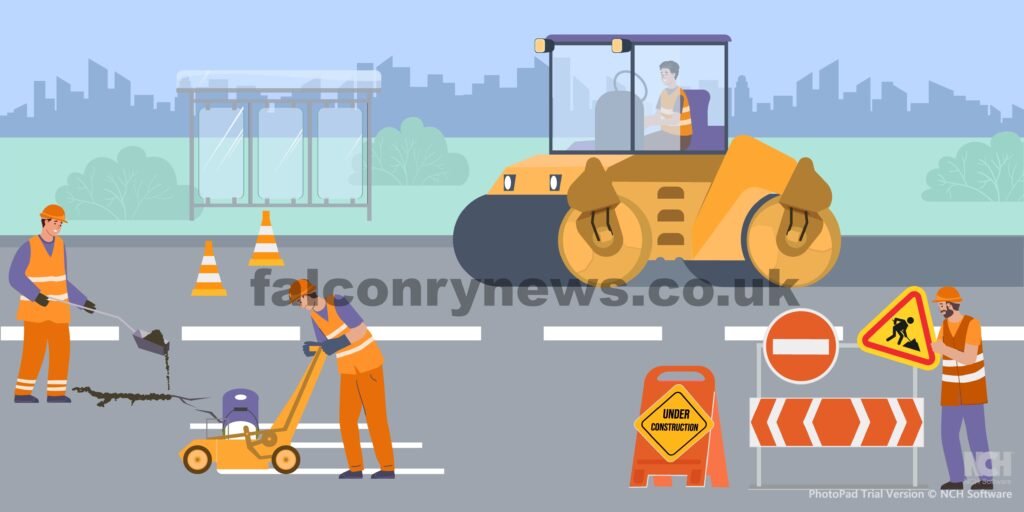
A Road Construction Ahead sign is more than a bright orange symbol—it’s a critical safety tool that protects drivers, workers, and road infrastructure. Whether you’re a motorist or a contractor, knowing how to interpret and use these signs can dramatically improve road safety.
FAQs (People Also Ask)
What does the Road Construction Ahead sign mean?
It warns drivers of upcoming construction activity, lane changes, or temporary hazards.
Why are construction signs orange?
Orange is highly visible and associated with caution, making it ideal for work-zone alerts.
How far in advance is a Road Construction sign placed?
150–1500 feet before the work zone, depending on road speed and traffic volume.
Is the Road Construction sign the same as Road Work Ahead?
Yes, both indicate upcoming construction or maintenance.
Do you have to slow down in a construction zone?
Yes. Most areas have reduced speed limits, often enforced with fines.