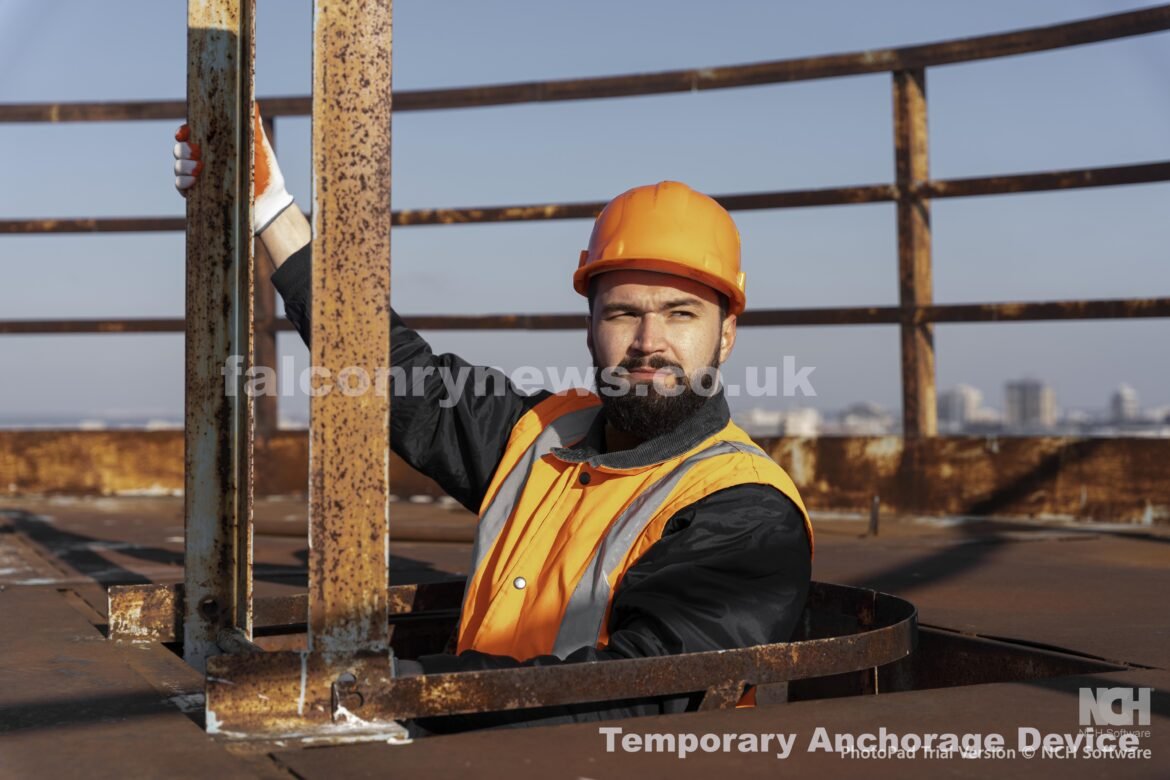
Introduction: Why Temporary Anchors Are Critical in Height Safety
Every day, thousands of workers perform tasks at height—on rooftops, scaffolding, beams, and elevated platforms. Without proper fall arrest systems and secure anchor points, these jobs become extremely hazardous. A temporary anchorage device, also known as a portable anchor point, is one of the most essential components in modern height safety.
Whether you’re a construction supervisor, industrial safety officer, or maintenance technician, understanding temporary anchors helps reduce fall hazards and ensures compliance with industry standards.
What Is a Temporary Anchorage Device?
A temporary anchorage device is a removable, portable structure that provides a secure attachment point for a fall protection system when no permanent anchors exist. These devices connect to structural elements—such as concrete slabs, steel beams, roof trusses, or columns—to support the impact created during a fall.
Temporary anchors are widely used in industries including construction, oil and gas, utilities, window washing, telecom, HVAC, roofing, and industrial maintenance.
Why Temporary Anchorage Devices Are Essential
1. Reliable Fall Protection
Fall accidents remain the number one cause of fatalities in construction. OSHA reports that one-third (34%) of workplace deaths stem from height-related falls. A durable anchorage point is crucial for fall arrest, fall restraint, and fall prevention systems.
2. Versatility Across Job Sites
Portable anchors allow teams to work safely in varied environments, including:
- unfinished buildings
- elevated work surfaces
- irregular job sites
- temporary access platforms
3. Ensures Regulatory Compliance
High-quality anchorage devices comply with:
- OSHA 29 CFR 1926.502 (fall protection anchors)
- ANSI/ASSP Z359.18 anchorage standards
- EN 795:2012 temporary anchor requirements
Compliance reduces legal risks and boosts worker safety.
Types of Temporary Anchorage Devices
1. Beam Anchors (I-Beam Anchors)
Designed to clamp onto steel beams.
Uses: structural steel work, industrial plants, bridge maintenance.
2. Roof Anchors
Attach to sloped or flat roofs for short-term work.
Uses: roofing contractors, skylight installation, solar panel work.
3. Concrete Anchors
Installed in drilled holes or embedded inserts.
Uses: high-rise towers, construction sites, formwork operations.
4. Anchor Straps & Tie-Off Slings
Flexible straps wrap around beams, pipes, or columns.
Uses: general construction, utilities, confined space entry.
5. Vacuum Anchors
Use suction to attach to smooth, non-porous surfaces.
Uses: aircraft maintenance, aluminum structures, shipyards.
6. Tripod & Davit Systems
Provide overhead anchorage in enclosed or vertical entry spaces.
Uses: manhole entry, tank access, wastewater plants.
Features of a High-Quality Temporary Anchorage Device
1. High Load Capacity
Anchors must support 5,000 lbs (22.2 kN) per attached worker, as required by OSHA.
2. Durable, Corrosion-Resistant Materials
Look for:
- stainless steel
- high-grade aluminum
- galvanized steel
- heavy-duty polyester webbing
3. Portability & Lightweight Design
Compact and transportable anchors increase productivity.
4. Compatibility With Fall Protection Systems
Works seamlessly with:
- self-retracting lifelines (SRLs)
- energy-absorbing lanyards
- horizontal lifelines
- full-body harnesses
5. Clear Manufacturer Ratings
Includes labels for:
- load limits
- inspection criteria
- safety certification
How to Install a Temporary Anchorage Device
1. Assess the Anchor Surface
Confirm the structure can support expected loads.
2. Choose the Correct Anchor Type
Match the anchor to the material (steel, concrete, wood, etc.).
3. Read Manufacturer Instructions
Improper installation can compromise performance.
4. Position the Anchor Correctly
Keep the anchor above the worker to reduce swing-fall hazards.
5. Inspect Before Use
Look for:
- cracks
- frayed webbing
- bent metal
- missing components
6. Perform a Stability Check
Test the anchor with a small load before full use.
Common Applications of Temporary Anchorage Devices
- building construction and framing
- industrial maintenance
- rooftop walking and inspection
- billboard and signage installation
- tower climbing and antenna servicing
- solar panel installation
- bridge and highway work
Benefits of Using Temporary Anchorage Devices
1. Cost-Effective Safety Solution
No need for permanent installation or structural modifications.
2. Reusable & Durable
Many anchors are designed for multiple-use cycles.
3. Improves Worker Confidence
Knowing they’re securely tied off boosts focus and efficiency.
4. Enhances On-Site Mobility
Workers can move freely with portable anchorage connectors.
Conclusion
A temporary anchorage device is a vital tool for anyone working at height. It provides stability, reduces risk, and meets regulatory standards—all while offering flexibility for various job environments. When used correctly, these anchors prevent accidents, save lives, and support safe work practices across industries.
FAQs (People Also Ask)
1. What is a temporary anchorage device?
It’s a portable, removable anchor used to secure fall protection equipment on job sites without permanent anchor points.
2. Are temporary anchors safe?
Yes—when certified to OSHA, ANSI, or EN standards and installed correctly.
3. How much force should an anchor point withstand?
At least 5,000 lbs (22.2 kN) per worker.
4. Where can temporary anchors be used?
On roofs, beams, concrete, columns, aircraft surfaces, and confined spaces.
5. Can temporary anchorage devices be reused?
Yes, most devices are reusable unless they’ve been involved in a fall arrest.
6. What’s the difference between fall arrest and fall restraint?
Fall arrest stops a fall mid-air; fall restraint prevents the worker from reaching the fall edge.